

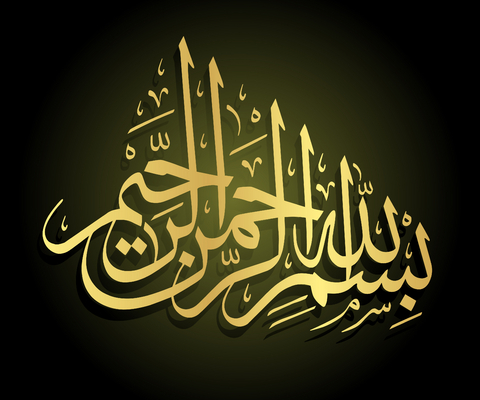
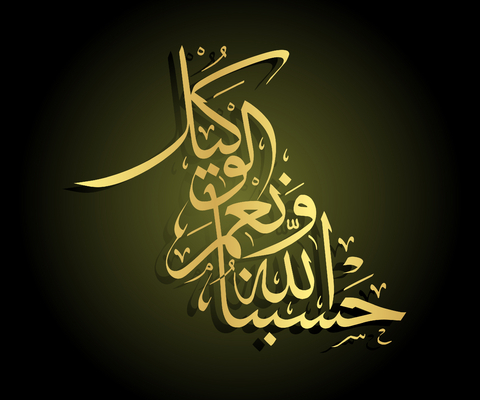
Arabic calligraphy is a distinct art form that stands apart from the digital fonts used in Arabic typesetting. A cornerstone of Arab art and culture, it expresses emotion and identity through meticulously handcrafted lettering. Our skilled calligraphers have designed bespoke logos and compositions, offering this rare service from within the UK.
True elegance in Arabic typography comes from harmonising calligraphy and imagery—ensuring both elements work in tandem to convey mood and meaning. We are fully committed to balancing artistry and content in every project we undertake.
A Rich Historical Heritage
The Arabic script originated from the Phoenician alphabet around 1000 BC. Arabic Calligraphy is traditionally divided into two main categories: Muqawwar wa Mudawwar (curved and rounded) and Mabsut wa Mustaqim (elongated and straight). These categories branch into numerous variations shaped by cultural, political, and religious factors across the Arab World.
We approach every project with a profound understanding of this history, translating it into visually distinctive designs that blend the aesthetics of Arabic calligraphy with the technical demands of Arabic typography.
The Artistic and Cultural Significance of Arabic Calligraphy
Regarded as one of the highest art forms in the Arab world, Arabic calligraphy is deeply intertwined with Islamic culture and spirituality. It features prominently in mosque architecture, monuments, and manuscripts, with roots in early papyrus and parchment writings.
The invention of paper revolutionised the art, making it widely accessible. Unlike medieval European libraries, which held modest collections, Islamic libraries housed vast volumes, reflecting calligraphy’s importance in knowledge preservation.
Traditional Calligraphic Styles
The six major traditional calligraphic styles are: Farsi, Naskh, Kufi, Diwani, Req’aa, and Thuluth, each with distinct features. Developed primarily to preserve the Qur’an, the Arabic script evolved rapidly after the rise of Islam, becoming a refined artistic form.
Two main families of calligraphy emerged:
⦁ Dry styles, such as Kufic
⦁ Soft cursive styles, including Naskh, Thuluth, and Nastaliq
Modern Arabic Calligraphy: Skill & Creativity
Today’s Arabic calligraphers are respected artisans whose work often blends abstract and figurative imagery. Letters may be shaped to resemble eyes, animals, or symbolic figures, merging traditional craftsmanship with contemporary design.
Arabic calligraphy remains one of the most revered and visually striking art forms in the world—an enduring testament to the richness of Arabic heritage.